Turn Your Outdoor Furniture Ideas Into Production
Send us your drawings, specifications or ideas. Our engineers and sales team will review materials, dimensions, finishes and customization options.

Outdoor furniture rarely fails because of one dramatic winter storm. More often, the damage accumulates quietly: water remains inside a joint, dirt holds moisture against a coating, cushions go into storage slightly damp, a cover traps condensation, or an unsecured chair spends three months moving against a wall in the wind.
That distinction matters.
NOAA reported that the December 2023–February 2024 winter was the warmest on record for the contiguous United States, yet total winter precipitation reached 7.71 inches, 0.92 inch above average, placing the season in the wettest third of the historical record. In February alone, Los Angeles received more than 12 inches of rain, roughly three times its normal February total. NOAA’s February 2024 climate assessment is a useful reminder that “winter protection” does not simply mean protection from extreme cold.
Moisture changes everything.
A sound outdoor furniture storage strategy therefore has to manage liquid water, humidity, UV radiation, dirt, wind, freezing conditions and mechanical stress simultaneously rather than treating a waterproof cover as a universal solution.
What happens if the cover itself becomes the problem?
The best way to store patio furniture is to clean and completely dry every piece, remove cushions and detachable textiles, place the furniture in a dry protected location when practical, elevate it above wet ground, and use properly fitted breathable covers where furniture must remain outdoors.
For most households, I would use this order of preference:
Before storage, remove dirt, leaves, pollen, food residue and coastal salt deposits. Inspect welds, fasteners, coatings, drainage openings, feet and moving components while the furniture is still accessible.
For larger collections of outdoor furniture, particularly sectional configurations, dining sets and contract furniture, storage should be considered during product selection rather than months later when winter arrives.
Putting something “away” does not automatically protect it.
The major mechanisms are straightforward.
Water can enter joints, screw holes, hollow sections, wood grain, woven structures and textile foam. Wood is particularly moisture-responsive.
USDA Forest Products Laboratory research describes moisture as one of the most important factors affecting wood performance and service life, because changes in moisture content can produce dimensional movement. Protective coatings slow those changes but do not eliminate them.
And there is a nasty storage paradox here: waterproofing without ventilation can exchange rainwater for condensation.
You kept the rain out. Great.
But if damp furniture was wrapped tightly enough to prevent evaporation, the underlying problem was never solved.
UV exposure matters even during periods when furniture is not being used.
The U.S. Environmental Protection Agency’s HERO database notes that increased ultraviolet exposure, particularly when combined with elevated temperatures, accelerates deterioration in plastics, rubber and wood. The same research identifies UV-B radiation between 280 and 315 nm as particularly relevant to material degradation. EPA’s materials-weathering review also notes the role of stabilizers and protective coatings in extending outdoor service life.
So storing a polypropylene or synthetic-wicker chair beneath a transparent roof may keep rain off it while doing surprisingly little about photodegradation.
Wind deserves considerably more attention than it normally gets in furniture-care articles.
The National Weather Service advises bringing unsecured patio objects inside or securing outdoor furniture when high winds are expected; one NWS definition cited for high-wind warnings uses sustained winds of 40 mph or greater or gusts of 58 mph or greater. NWS high-wind guidance specifically identifies lawn furniture as an object capable of blowing away and causing property damage or injury.
This is not merely about losing a chair.
Furniture repeatedly shifting beneath a cover can abrade powder coating, damage feet and tear cover fabric long before anyone notices.
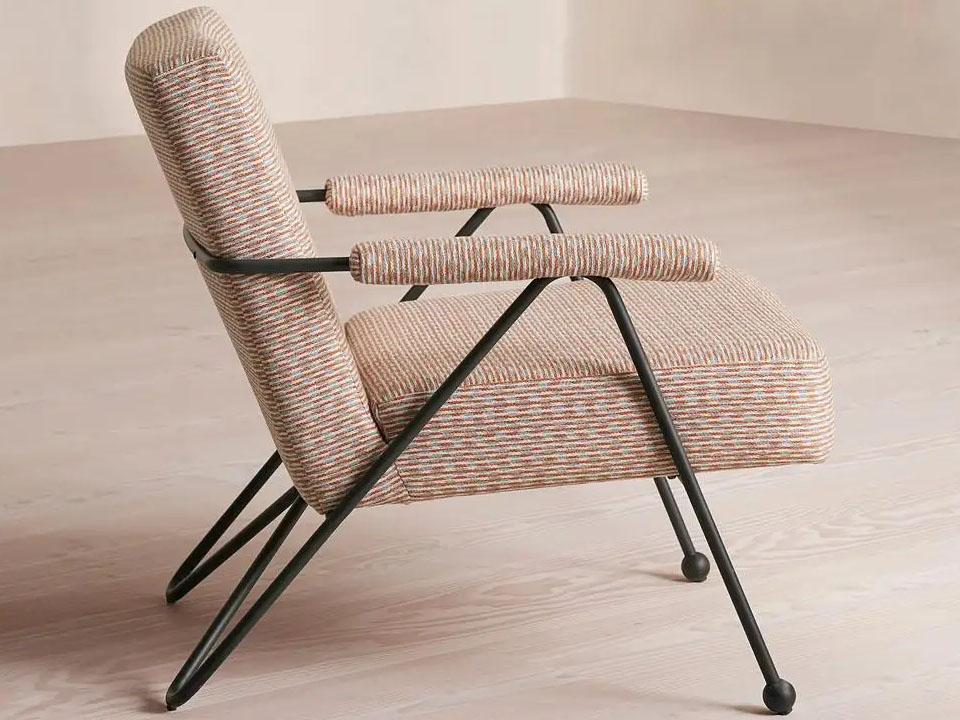
Never store dirty outdoor furniture for an entire season if you can avoid it.
Dust is easy.
The more problematic contamination is material-specific: organic residue on wood, grease around dining furniture, sunscreen on chair arms, chlorine near pools, bird droppings, and sodium chloride (NaCl) deposits in marine environments.
For routine cleaning:
I would rather leave clean furniture uncovered for another dry day than place it damp inside a supposedly protective cover.
That is the less glamorous answer, but the better one.
Seasonal storage is a good inspection point because small failures are still visible.
Check:
Pay particular attention to the underside.
People obsess over the tabletop while ignoring the points actually touching wet stone, concrete, grass or decking.
If you’re evaluating new outdoor lounge sets, drainage design, replaceable glides, detachable cushions and modular construction deserve almost as much attention as appearance. Furniture that can be separated into manageable modules is inherently easier to inspect and store.
If you remember one recommendation from this article, make it this:
Bring the cushions inside.
Even outdoor-rated upholstery benefits from protected seasonal storage. Water-resistant fabric should not be confused with an invitation to leave foam-filled cushions trapped beneath a cover for four wet months.
First, clean them according to the textile manufacturer’s instructions.
Then:
A breathable storage bag or ventilated container is usually preferable to tightly wrapping even slightly damp upholstery in polyethylene.
H₂O does not need much encouragement.
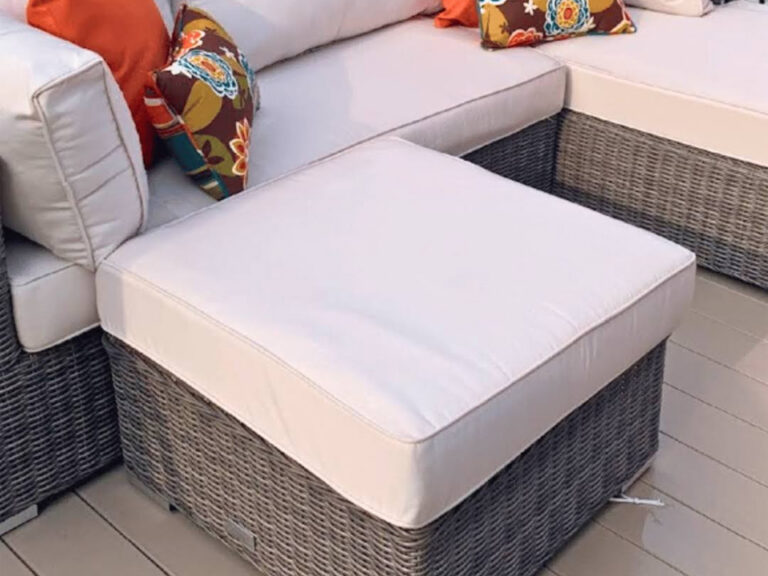
If your outdoor accent chairs use removable seat or back cushions, that removable construction makes seasonal maintenance much simpler than fixed upholstery.
This is one of the cheapest storage improvements available.
Lift furniture slightly above surfaces where standing water, snowmelt or freeze-thaw conditions are possible.
Suitable approaches include stable furniture feet, non-absorbent risers, appropriately sized blocks or a dry raised storage platform.
The objective is not dramatic elevation. It is simply to prevent prolonged direct contact with puddles and wet flooring and to improve airflow beneath the frame.
Avoid unstable stacking.
And never raise a heavy table onto makeshift supports that can shift or collapse.
For furniture left on a covered patio, check the floor slope as well. The apparently “dry” corner where everyone puts the furniture may actually be the location where wind-driven rain drains and remains trapped.
Most furniture-cover advice is incomplete.
The goal is not simply “waterproof.”
A useful outdoor cover must balance:
A cheap polyethylene tarp works for temporary protection, but it is rarely my preferred long-term solution for premium furniture.
Loose material flaps.
Water pools.
Corners wear through.
Wind gets underneath.
And furniture can remain surrounded by damp air.
Instead, choose a fitted outdoor furniture cover with secure straps, elastic hems, buckles or another attachment system appropriate for the product.
Do not cinch it so tightly that all air exchange disappears.
Never intentionally create a broad horizontal depression where rainwater can collect.
Use the furniture geometry—or a suitable cover-support structure—to create a high point from which water can drain.
This matters especially for large dining tables and sectionals.
Twenty liters of collected water is roughly 20 kg or 44 lb sitting on a cover before wind, snow or additional precipitation enters the equation.
Different materials fail differently.
That sounds obvious. Storage advice often ignores it anyway.
Aluminum is generally a strong candidate for outdoor storage because it does not rust in the same way as carbon steel.
But coatings still matter.
Clean the surface, remove corrosive contamination such as salt, inspect damaged powder coating and make sure hollow sections can drain.
For powder-coated aluminum:
Steel demands more scrutiny.
Any scratch or coating defect that exposes the substrate can become a corrosion point, particularly in consistently wet or saline environments.
Store steel furniture indoors when practical.
If outdoor storage is unavoidable, clean it carefully, dry it, repair coating damage as appropriate, elevate it and cover it without trapping moisture.
Wood should be clean and reasonably dry before storage, with its treatment based on species and finish.
Do not assume that “natural weathering” and “poor storage” are the same thing.
They are not.
The USDA’s wood research shows why repeated moisture changes deserve attention: wood expands and contracts in response to moisture conditions, while coatings can reduce—but not completely stop—moisture-related dimensional movement.
Most modern all-weather wicker furniture uses polymer-based strands over a metal frame.
Inspect both.
The wicker can suffer from UV/weathering, while the frame, fasteners and welds underneath have their own maintenance requirements. EPA-reviewed research confirms that solar UV can accelerate degradation of outdoor plastics, particularly at elevated temperatures.
Do not drag wicker furniture into storage; broken or overstressed strands tend to reveal themselves later.
Clean plastic furniture before storage because embedded dirt becomes harder to remove over time.
Protect it from prolonged UV exposure where possible.
Avoid placing heavy objects on unsupported plastic seats or arms for an entire winter. Low temperatures can also affect the behavior of some polymer formulations, making rough handling a bad idea.
Outdoor rope is often treated as if the rope itself were the entire product.
It isn’t.
Inspect the rope, frame, joining method and attachment points individually.
Store clean and dry. Avoid prolonged contact with dirt, organic residue and damp surfaces.
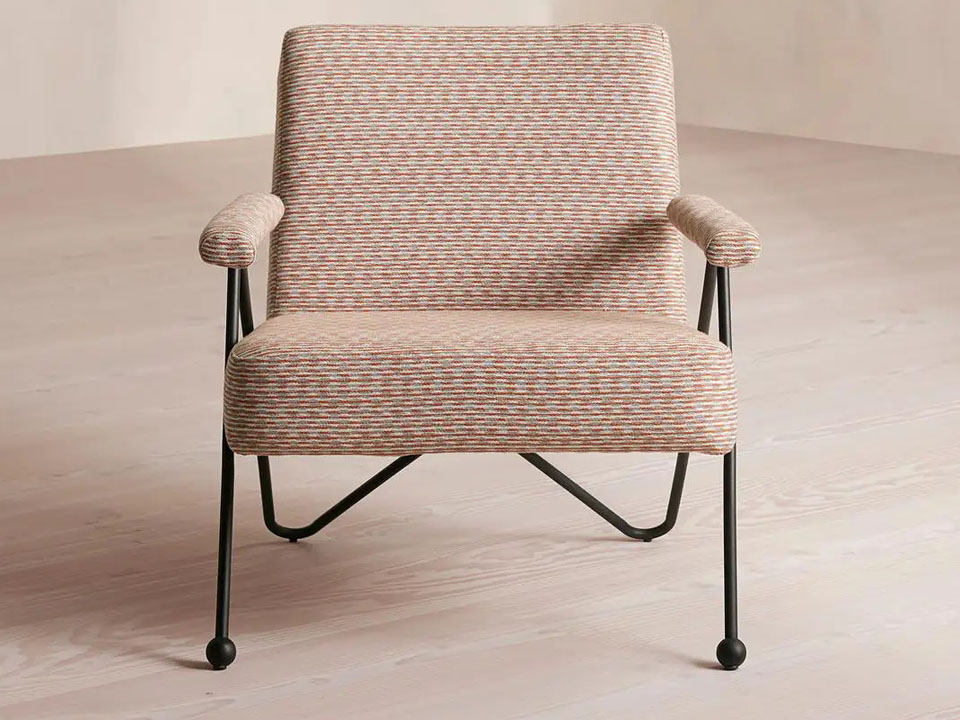
| Furniture Component | Preferred Storage | Cover? | Elevate? | Main Risk |
|---|---|---|---|---|
| Powder-coated aluminum | Garage, shed or covered patio | Yes outdoors | Yes | Coating damage, trapped moisture |
| Steel furniture | Indoor dry storage | Yes if outdoors | Yes | Corrosion |
| Teak furniture | Dry ventilated area | Usually | Yes | Moisture cycling, staining |
| Synthetic wicker | Covered ventilated area | Yes | Recommended | UV exposure, strand damage |
| Plastic/resin | Shed or covered area | Recommended | Optional | UV/weathering, deformation |
| Rope furniture | Dry protected area | Recommended | Yes | Dirt, moisture, attachment wear |
| Seat cushions | Indoor dry storage | Storage bag | Yes | Dampness, staining, mildew |
| Large sectional | Garage or fitted outdoor cover | Yes | Yes | Water pooling, wind |
| Dining table | Covered storage | Yes | Yes | Water accumulation, surface damage |
Do this before the storm forecast.
Not during it.
FEMA and National Weather Service guidance repeatedly recommends bringing outside furniture indoors or securing it before severe winds because ordinary outdoor objects can become windborne hazards.
If outdoor storage is unavoidable:
A cover is not an anchor.
That misconception causes trouble.
Sometimes the best storage strategy is not a bigger garage.
It is furniture designed to absorb part of the storage requirement.
An outdoor storage furniture solution such as a weather-resistant storage bench, box or cabinet can provide accessible space for furniture covers, pillows and smaller accessories during the season.
There is an important caveat: outdoor storage boxes should not be treated as automatically climate-controlled environments.
Items still need to be dry before storage, and ventilation remains relevant.
For hospitality projects, apartment developments, villas, resorts and restaurants, I would consider cushion storage during the initial furniture-layout stage. Staff should not have to carry dozens of bulky cushions across an entire property whenever rain is forecast.
Good storage reduces labor as well as product damage.
If your furniture must remain outdoors all winter, use this checklist:
Do not assume winter temperatures will remain consistently below freezing.
NOAA’s 2023–24 measurements illustrate exactly why. The Lower 48 recorded a December–February average of 37.6°F, 5.4°F above average, even while total winter precipitation was above average.
And the pattern extended into spring: January–April 2024 precipitation totaled 10.95 inches, which was 1.48 inches above average and ranked as the 11th wettest such period in the 130-year U.S. record.
The practical implication is simple: furniture can experience wetting, drying, warming and cooling rather than sitting in one neat “frozen winter” state.
Probably the most common error.
A premium cover cannot dry furniture that was wrapped while saturated.
Convenient? Yes.
Ideal? Usually not.
Bring them into dry storage whenever possible.
This can restrict airflow and may interfere with drainage depending on the installation.
Use a cover designed for the specific furniture geometry.
Inspect legs, glides, screws, welds and lower frame members.
Gravity sends water downward.
Stack only furniture designed to stack.
Placing a 50 kg tabletop against the arm of a chair for five months is not storage. It is a slow structural load test.
The furniture may survive rain perfectly and still damage itself, the cover or nearby property when a storm arrives.
NWS guidance specifically recommends securing lawn and patio furniture during high-wind conditions.
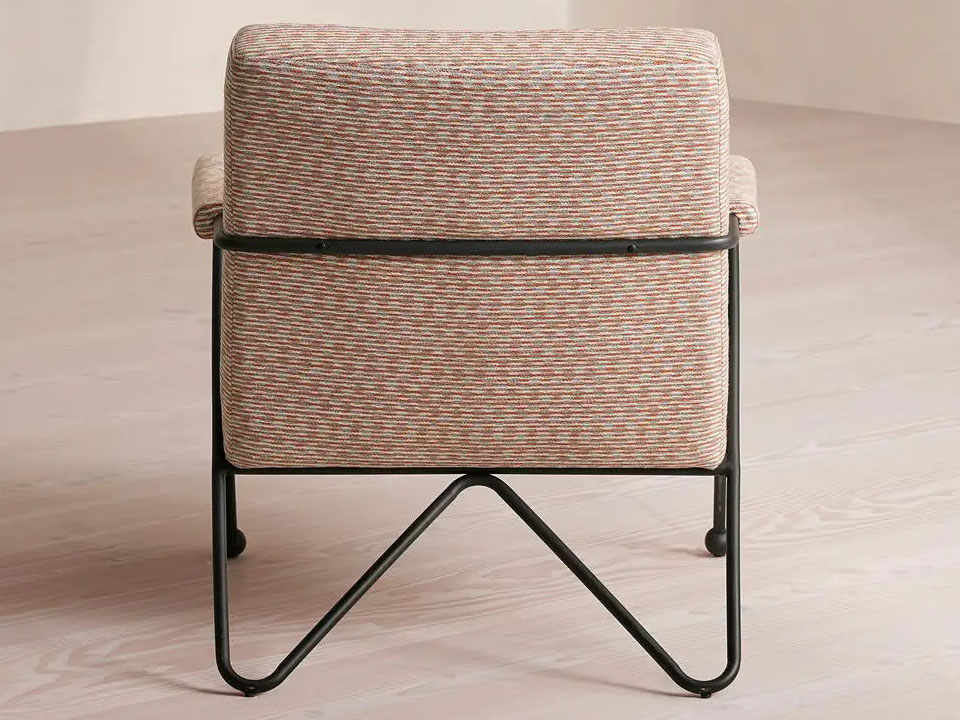
The best way to store patio furniture is to clean and completely dry it, remove cushions and textiles, place the furniture in a dry garage or shed when available, and otherwise elevate it above wet ground under a fitted, secured and ventilated outdoor cover that allows water to drain.
The exact method should then be adjusted for aluminum, steel, teak, plastic, synthetic wicker or rope construction.
To store outdoor furniture for winter, remove dirt and moisture first, inspect hardware and finishes, take cushions indoors, raise exposed furniture above potentially wet or frozen ground, install a properly fitted weather-resistant cover, preserve airflow beneath that cover, and secure lightweight pieces before strong winter winds arrive.
For wood and coated steel, I would be particularly conservative about prolonged wet exposure.
Outdoor furniture can remain outside during winter when its materials and construction are intended for exterior exposure, but it should still be cleaned, dried, elevated where needed, protected with a suitable cover and periodically inspected for trapped water, coating damage, loose fasteners, heavy snow loads and wind movement.
“Outdoor-rated” should be interpreted as resistance to weather, not immunity from weather.
Outdoor furniture covers should resist rain while still allowing enough ventilation to reduce trapped moisture, because a completely impermeable enclosure around damp furniture can create an unfavorable storage environment even when no additional rainwater reaches the furniture from outside during the covered storage period.
Fit is therefore just as important as the fabric specification.
I generally prefer a purpose-designed cover with vents, secure fasteners and enough structure to shed water rather than pool it.
Outdoor cushions should be cleaned according to their textile-care instructions, dried completely through both the outer fabric and internal filling, and then kept in a clean, dry indoor space using a breathable storage solution that protects them from dirt and pests without sealing residual moisture inside.
Avoid putting damp cushions into sealed plastic bags simply because the outside fabric feels dry.
Patio furniture should be lifted slightly off the ground when its storage surface is prone to standing water, snowmelt or persistent dampness, because elevation reduces prolonged direct contact with moisture and can improve airflow around the bottom of legs, glides, metal frames and other low-level components.
You do not need dramatic height.
Stable separation from the wet surface is the goal.
Aluminum outdoor furniture should generally be covered during prolonged winter storage when it remains outside, not because aluminum behaves like untreated carbon steel, but because a fitted cover also protects powder coatings, joints, hardware and surfaces from dirt, prolonged precipitation, UV exposure and repetitive contamination.
Clean coastal salt deposits before storage and inspect any damaged coating rather than simply hiding them beneath the cover.
The hard truth about how to store outdoor furniture is that buying the thickest cover available is not a storage strategy.
Control moisture.
Limit unnecessary UV exposure.
Protect vulnerable finishes.
Remove cushions.
Get frames off persistently wet ground.
And prepare for wind before the weather forecast turns ugly.
Whether a patio set cost $500 or $5,000, the same principle applies: storage conditions determine how much unnecessary weathering occurs while nobody is even using the furniture.
For commercial developments, resorts, hospitality spaces, distributors and outdoor-furniture brands, storage performance can also be influenced at the design stage through modular construction, drainage, removable cushions, replaceable glides, stacking geometry and material selection.
Explore IPOCAS’s outdoor furniture collections, outdoor lounge sets, outdoor accent chairs and outdoor storage furniture when planning an outdoor furniture program where maintenance, seasonal storage and long-term commercial use matter from the beginning.
Comments