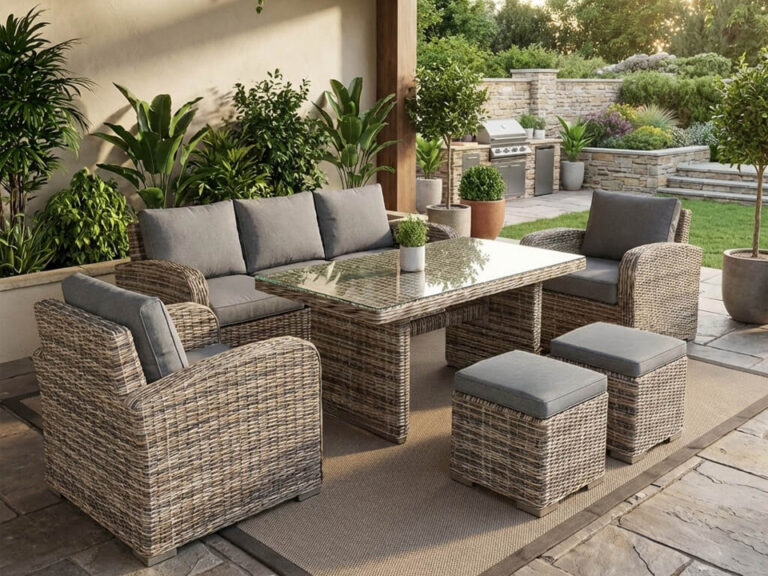
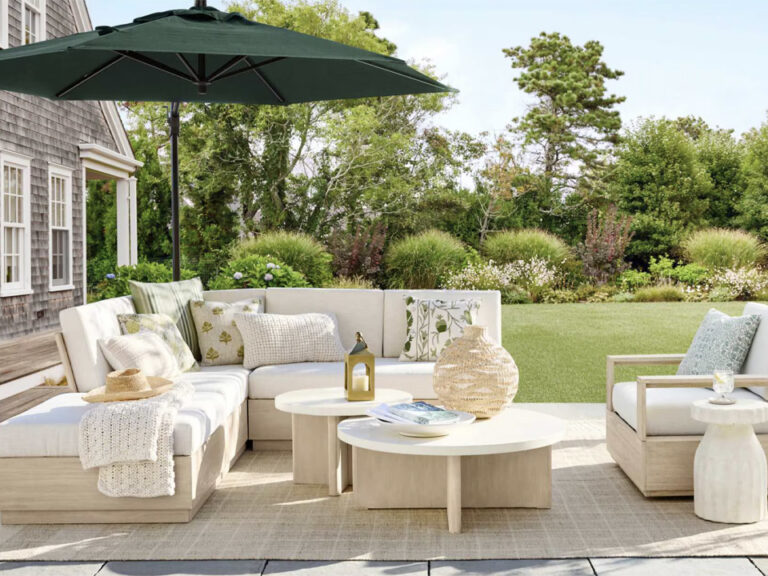
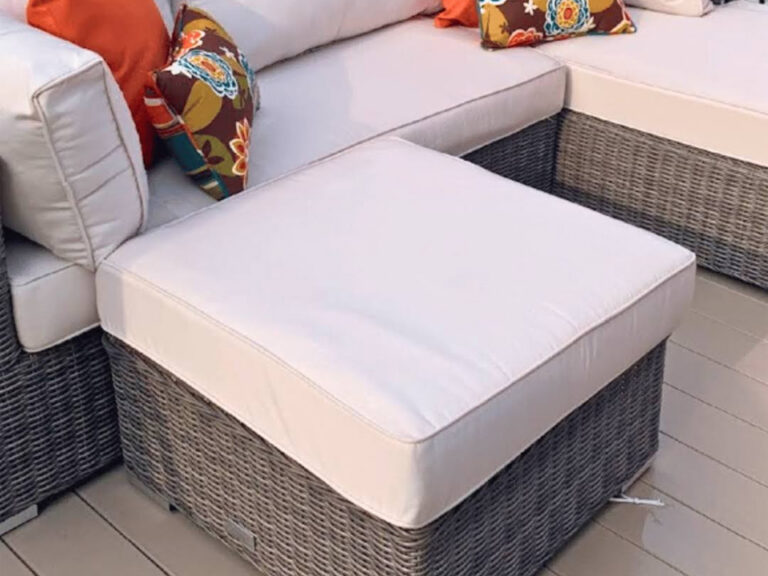
Воплотите свои идеи по созданию уличной мебели в реальность
Присылайте нам свои чертежи, технические характеристики или идеи. Наши инженеры и специалисты отдела продаж рассмотрят материалы, размеры, варианты отделки и возможности индивидуальной настройки.
Rust sells reassurance. When a supplier calls aluminum outdoor furniture “rustproof,” I want to know whether that claim covers the frame alone, the fasteners buried inside it, or the coating system expected to survive repeated salt exposure. What, exactly, is the buyer being promised?
Aluminum does not develop the iron rust associated with ordinary steel. Its protective oxide film helps resist atmospheric attack, but that protection can break down locally and allow corrosion to progress. NASA’s corrosion guidance explicitly identifies this limitation. ([Corrosion][1])
My buying position is straightforward: a material name is the beginning of a specification. Buyers still need evidence about surface preparation, coating performance, connections, drainage, and maintenance.
What Causes Aluminum Outdoor Furniture to Corrode?
The useful question is where protection fails—and what keeps that location wet.
Chloride contamination. Sea spray and salt deposits create conditions that favor localized attack. NASA identifies chloride ions as a common contributor to pitting, which can penetrate beneath a relatively small surface opening. ([Corrosion][2])
Defects beneath the coating. Poor adhesion, contaminated surfaces, and coating damage can create starting points for underfilm corrosion. In a 2023 study of organically coated A356 aluminum, researchers found that corrosion preferentially initiated where the coating and substrate were poorly bonded. ([ScienceDirect][3])
Wet connections between different metals. Galvanic corrosion in aluminum furniture becomes possible when electrically connected, dissimilar metals share an electrolyte. NASA specifically describes accelerated aluminum corrosion where aluminum contacts carbon steel or stainless steel under suitable conditions. ([Corrosion][2])
Moisture trapped at interfaces. Washers, overlapping components, deposits, and threaded connections can create crevices with different local conditions from the exposed surface. NASA identifies these locations as potential corrosion sites. ([Corrosion][2])
I would therefore inspect a chair’s underside before admiring its finish. Ask how each joint drains, which metals touch, and how the manufacturer protects the interface.
What Three Studies From 2023–2024 Actually Tell Buyers
Research earns its place in a purchasing decision when we respect its boundaries. These studies investigate relevant corrosion mechanisms; none establishes the service life of a particular patio furniture model.
A356 aluminum: adhesion defects provide a starting point
The September–October 2023 Journal of Materials Research and Technology paper, “Study on filiform corrosion of A356 aluminum alloy under an organic coating,” investigated coated wheel material. Researchers identified corrosion products including AlO(OH) and Al₂O₃ and observed initiation at poorly bonded coating interfaces. ([ScienceDirect][3])
My procurement takeaway: ask how the supplier verifies surface preparation and adhesion. A glossy sample cannot answer either question.
Five years outdoors: location alone does not explain performance
Published on March 28, 2023, research by Fabienne Peltier and Dominique Thierry examined four coating systems on AA2024-T3 aluminum across eight exposure sites. Assessments after one, two, and five years showed that degradation depended on the coating system and combinations of environmental conditions, rather than one variable such as chloride deposition alone. ([Wiley Online Library][4])
These were aerospace-oriented systems. I would use the findings to challenge simplistic “coastal suitable” claims, while requesting furniture references from environments that resemble the intended installation.
A 2024 powder-coating study: chemistry changes the outcome
Research published online on March 1, 2024, by Northumbria University and AkzoNobel investigated functional powder coatings containing BOC-Gly-MA. The researchers evaluated filament length, filament count, and corroded surface area, reporting improved results for the protective formulations studied. ([ACS Publications][5])
That is experimental evidence about coating formulation. It gives buyers a reason to demand the exact coating product and supporting test results; it does not prove that an unspecified commercial finish delivers equivalent protection.
Powder-Coated Aluminum Outdoor Furniture: What I Would Specify
“Powder-coated” leaves too many purchasing questions unanswered. My proposed specification would require six items:
Identified substrate. Record the alloy designation, component construction, and material used for each major part.
Documented preparation. Identify the cleaning and pretreatment process, with production records available for review.
Named coating system. Specify the powder manufacturer, product code, exterior application suitability, and approved application conditions.
Measurable acceptance criteria. Agree on dry-film thickness, adhesion, appearance, and corrosion-test limits for the selected system.
Connection details. Identify fastener materials and document any isolation, sealing, or drainage provisions.
Контроль изменений. Require written approval before substitutions to alloy, coating, pretreatment, hardware, or applicator.
I would avoid inventing one universal coating thickness for every product. The acceptance range should follow the selected system and its qualification evidence.
QUALICOAT illustrates why scope matters: its specifications address coating materials, equipment, and finished products for architectural applications. A supplier referencing that program should identify the applicable approval and explain what it covers in the proposed order. ([QUALICOAT][6])
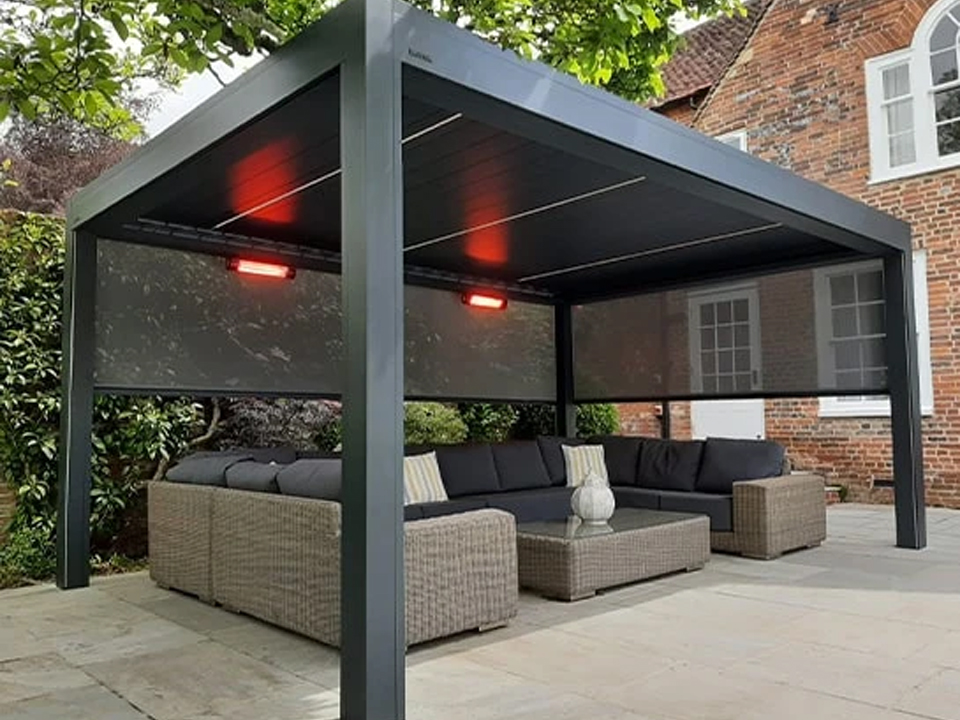
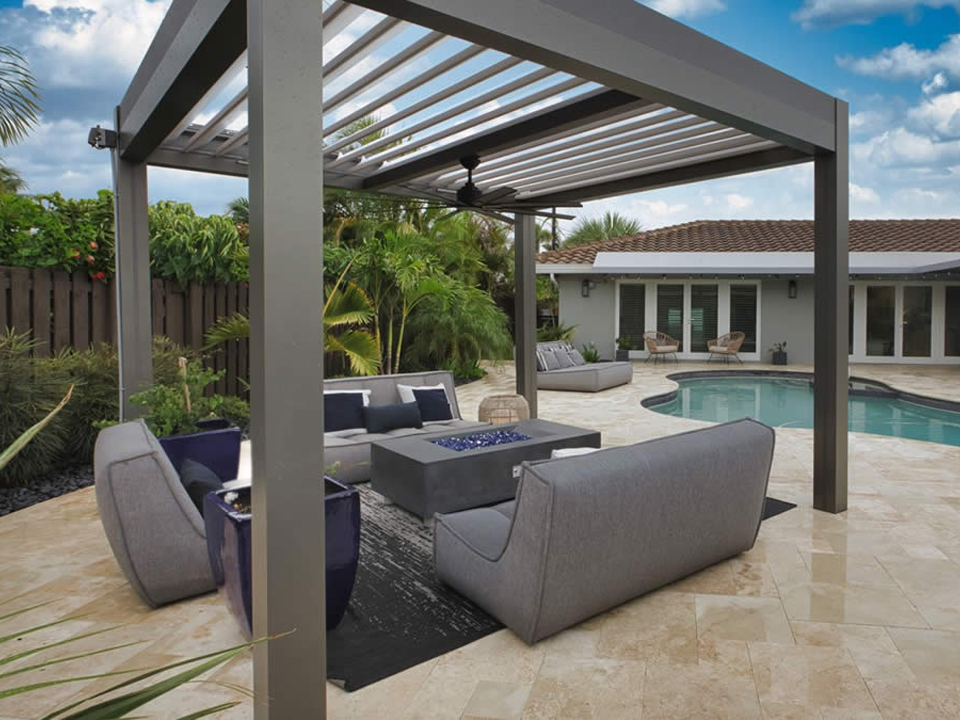
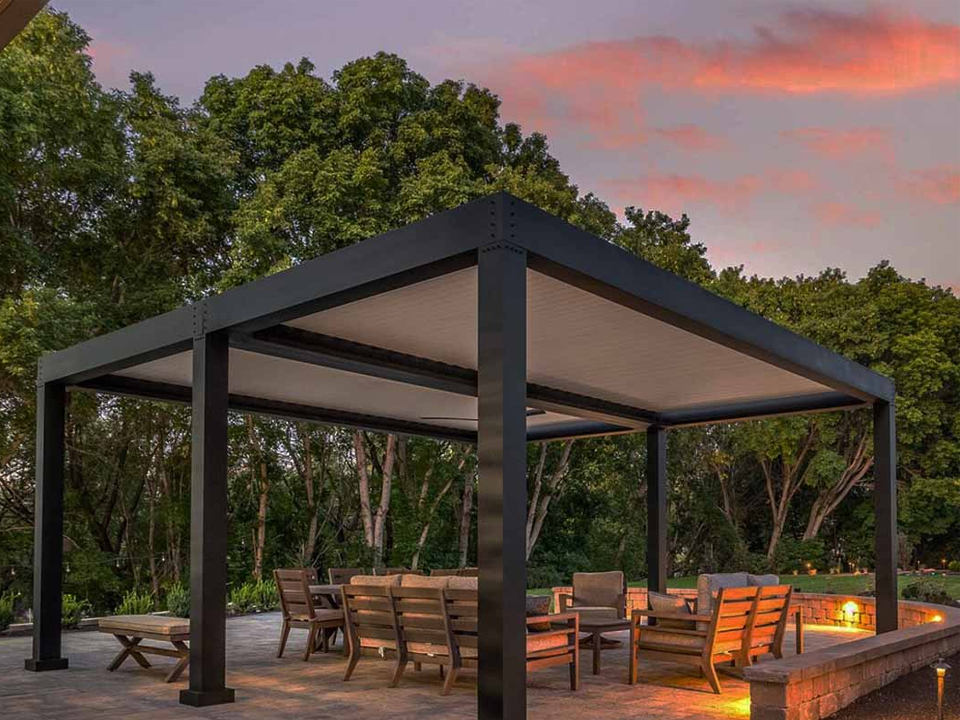
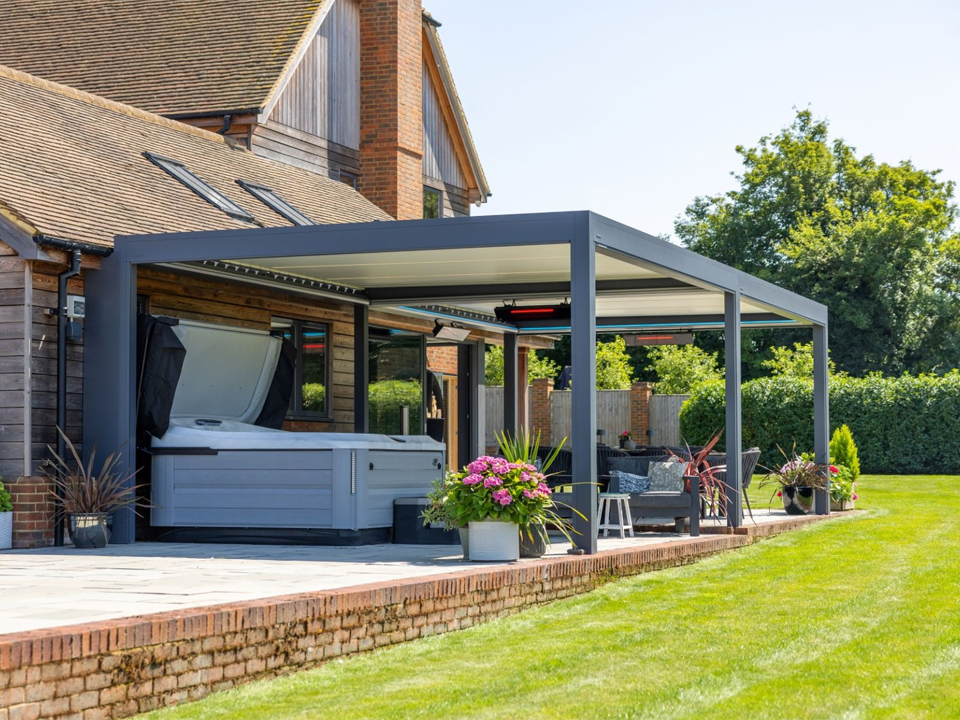
For projects that also include a freestanding louvered pergola, request separate documentation for each product family. Matching colors are a design decision; each construction still needs its own technical review.
Why Salt-Spray Hours Do Not Equal Years Outdoors
Numbers impress buyers. A report showing 1,000 hours of salt-spray exposure may appear decisive, especially when competing quotations provide little technical detail and the purchasing team needs a simple number to rank apparently similar products. But what did the laboratory actually test?
ASTM B117 describes a controlled salt-fog environment. ASTM warns that standalone results have seldom correlated with natural-environment performance, and the practice itself does not establish product-specific exposure periods or interpretations. ([store.astm.org][7])
Before accepting a report, I would ask:
Was the specimen a flat panel, a component, or an assembled product?
Did its alloy, pretreatment, and coating match the proposed production?
Was the coating scribed to introduce a controlled defect?
What constituted failure: blistering, adhesion loss, corrosion creep, or another measured outcome?
Which laboratory performed the work, and when?
A 1,000-hour result does not justify a ten-year lifespan claim without supporting evidence. Use accelerated tests to compare defined systems under defined conditions, then seek relevant field performance.
For a coordinated cantilever patio umbrella sourcing project, ask for evidence covering that product’s components and connections. A furniture-frame report should not automatically qualify an umbrella assembly.
How to Prevent Corrosion After Delivery
Maintenance starts with the actual finish specification.
Tropitone’s published care guidance recommends mild soap, thorough rinsing, and avoiding abrasive cleaners. It also identifies salt accumulation in seaside use and chloride deposits around indoor pools as causes of finish failure. ([Tropitone][8])
I would turn the manufacturer’s instructions into a short operating procedure: approved cleaner, cleaning method, inspection points, responsible person, and a record of completed work. Ask the supplier to recommend frequency for the actual exposure.
Photograph damage before repairs. Obtain the approved touch-up procedure. Record recurring deposits, coating blisters, loose connections, and blocked drainage.
And read the warranty before placing the order. Ask whether coastal exposure, commercial use, finish deterioration, replacement freight, and maintenance obligations are addressed explicitly.
Buyer Controls: What to Request and What to Challenge
The following is my proposed purchasing checklist, rather than a universal certification standard.
Purchasing issue
Доказательства, которые необходимо запросить
Claim to challenge
Frame material
Alloy designation and component material schedule
“Premium aluminum”
Surface preparation
Pretreatment specification and production checks
“Our factory handles that”
Powder coating
Product code, application requirements, thickness and adhesion records
“Same color, same quality”
Fasteners and interfaces
Hardware grades and connection drawings
“Stainless means corrosion-proof”
Drainage
Assembly drawings and demonstration on the sample
“Water should find its way out”
Corrosion testing
Complete report with specimen identity and acceptance limits
Written exclusions, remedies, and maintenance requirements
“Covered against rust”
Price belongs in this review, too.
Consider a hypothetical order of 100 chairs priced at $240 or $264 each. The higher quotation adds $2,400, a 10% premium. Replacing ten chairs at $264 would cost $2,640 before freight and labor.
That calculation establishes a comparison threshold. It does not establish which chair will fail less often. I would pay the premium only when the specification, evidence, and remedy justify it.
FAQs About Aluminum Outdoor Furniture Corrosion
Does aluminum outdoor furniture rust?
Aluminum outdoor furniture does not form iron rust, although its aluminum components can corrode when their protective oxide layer breaks down, and any steel hardware can rust separately, making the distinction between frame corrosion and fastener corrosion important when diagnosing visible deterioration. ([Corrosion][1])
What causes aluminum outdoor furniture to corrode?
Aluminum outdoor furniture corrosion develops when local exposure conditions overcome surface protection, with chloride contamination, coating defects, unfavorable chemistry, and inadequate surface preparation creating opportunities for attack whose severity depends on the alloy, protective system, and combination of environmental conditions at the installation. ([Wiley Online Library][4])
What is galvanic corrosion in aluminum furniture?
Galvanic corrosion in aluminum furniture is electrochemical attack that can accelerate when aluminum is electrically connected to a dissimilar metal and both contact an electrolyte, such as saltwater, with aluminum potentially becoming the preferentially corroding material depending on the metals and exposure conditions. ([Corrosion][2])
How do you prevent corrosion on aluminum outdoor furniture?
Corrosion prevention for aluminum outdoor furniture combines a suitable protective finish with regular removal of salt and other deposits, gentle cleaning using manufacturer-approved products, thorough rinsing, and maintenance adapted to actual exposure, particularly where seaside conditions or pool environments allow aggressive residues to accumulate. ([Tropitone][8])
What is the best corrosion-resistant aluminum patio furniture?
The best corrosion-resistant aluminum patio furniture for a project is the option with documented materials, a qualified protective finish, suitable connection details, relevant performance evidence, and warranty terms that fit the intended exposure, assessed against a defined purchasing specification rather than a generic material claim.
I would shortlist products using those documents before comparing styling or negotiating the final price.
Put Corrosion Controls Into Your Next RFQ
Before requesting a final quotation, send the supplier your site conditions, intended use, quantity, and maintenance expectations. Request the alloy specification, coating system, hardware details, complete test reports, and written warranty exclusions together.
Then inspect a production-representative sample against the agreed requirements.
Make corrosion performance an acceptance condition before approving the order.