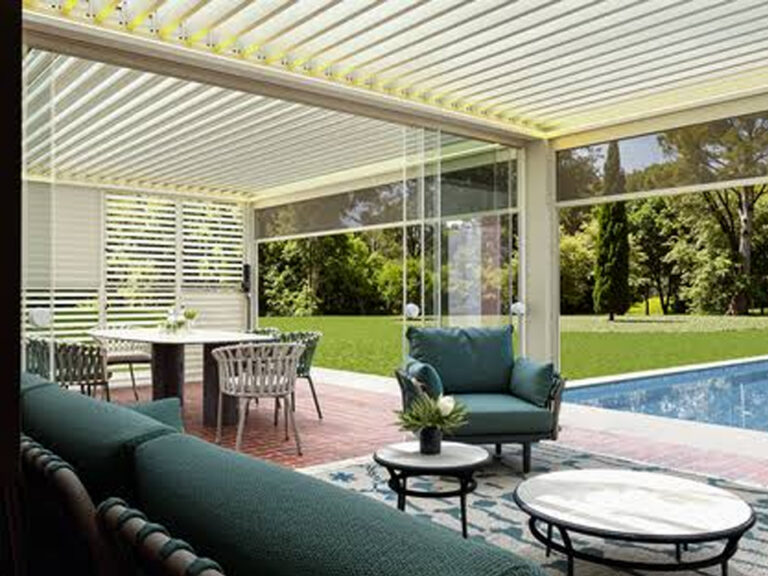
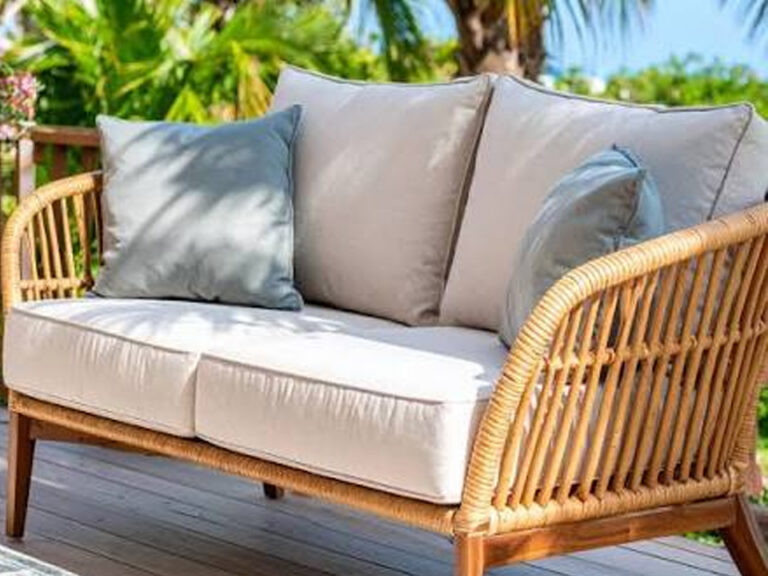
Воплотите свои идеи по созданию уличной мебели в реальность
Присылайте нам свои чертежи, технические характеристики или идеи. Наши инженеры и специалисты отдела продаж рассмотрят материалы, размеры, варианты отделки и возможности индивидуальной настройки.
Resort outside pillows do not live mild lives. They take in rainfall, sunscreen, splashed cocktails, swimming pool water, cleaning up chemicals, ultraviolet radiation, and thousands of compression cycles from visitors who hardly ever rest specifically where laboratory equipment anticipates them to.
Drying determines whatever.
A pillow that really feels elegant in a climate-controlled showroom can end up being a heavy, sour-smelling upkeep issue after one damp weekend because the foam, cover, liner, seams, and seat deck were never ever made as one water drainage system.
So why do acquiring groups still accept foam from a hand press?
The industrial stakes are bigger than the padding invoice. In June 2024, Reuters reported that united state resort occupancy was forecasted at 62.8% while hotel supply was anticipated to grow just 0.8%, indicating existing residential or commercial properties needed to extract more functional life from furniture currently under sustained visitor need.
My setting is blunt: the best foam for outdoor cushions is not instantly the softest, densest, most costly, or most heavily marketed product. It is the foam-and-cover setting up that goes back to solution rapidly, maintains support, and endures the residential or commercial property’s real exposure conditions.
Resort Foam Is an Operating Decision, Not a Soft qualities Competition
When a hotel exterior cushion remains damp, the property sheds seating capacity, housekeeping invests more time relocating and drying out paddings, engineering receives smell issues, and the purchase team might wind up changing inserts that still look structurally undamaged.
The U.S. Epa encourages drying damp products within 24– two days to limit mold development. It likewise suggests keeping indoor relative moisture listed below 60%, ideally between 30% and 50%; an outside pool deck can not promise those conditions, that makes quick water drainage even more vital.
That 24– 48-hour window is not a pillow certification. It is a beneficial caution line. A hotel should set a much tighter functional target when furniture need to await morning meal solution, a swimming pool opening, or an evening event.
I would separate properties into 3 direct exposure classes:
Class A– totally revealed: Pool decks, beachfront terraces, roof lounges, and uncovered patio areas. Specify reticulated quick-dry foam and a totally draining pillow building.
Course B– partially secured: Covered balconies subjected to wind-driven rainfall or constant cleansing. Reticulated foam continues to be the more secure choice, although confirmed high-resilience polyurethane may work.
Class C– safeguarded exterior: Deep verandas and encased courtyards with little straight rainfall. Standard business polyurethane becomes probable if the cushion can be removed and saved.
The label “outdoor-grade” proves really little by itself. Ask what the foam does after saturation.
Begin With Water: What Really Makes Foam Dry Fast?
Water requires a leave.
Quick-dry foam for exterior pillows is typically reticulated, open-cell polyurethane foam whose cell membranes have actually been eliminated to produce interconnected pores, enabling fluid water to drain and air to move via the insert.
Pore matter is generally expressed as pores per inch, or PPI. A variety around 20– 30 PPI is frequently made use of as a commercial starting factor due to the fact that it balances water drainage, airflow, surface area feel, and support, yet PPI alone does not forecast comfort or service life.
Reticulation issues since normal open-cell foam can absorb water without launching it successfully. Closed-cell polyethylene or ethylene-vinyl acetate foam acts differently: it resists absorption, but it is generally firmer, less breathable, and less suitable for deep hotel lounge pillows.
And “antimicrobial” is not a drain requirements.
An antimicrobial therapy might hinder particular microorganisms under defined lab problems, yet it can not save a saturated pillow with obstructed joints, an impenetrable lining, or a strong seat frying pan. Any distributor making a mold-resistant case needs to determine the test method, treated element, microorganisms checked, result, and anticipated toughness after cleansing.
What occurs when the therapy ages yet the pillow still can not drain pipes?
Compare the Key Outdoor Pillow Foam Kind
The table listed below deals with material option as an operating choice rather than a brochure exercise.
Foam kind
Water behavior
Convenience potential
Best resort application
Key purchase risk
Reticulated polyether polyurethane
Outstanding drainage through interconnected cells
Great to great when suppleness and density are matched
Higher price, UV destruction if the cover admits excessive sunshine
Outdoor-grade traditional polyurethane
Absorbs water and dries much more slowly
Great
Covered outdoor patios with detachable paddings
“Outdoor-grade” may define therapy instead of measurable drying out performance
High-resilience polyurethane
Usually slow-draining unless specifically engineered
Great
High-use, rain-protected lounge seats
Purchasers might puzzle strength with water administration
Closed-cell polyethylene or EVA
Low tide absorption; water does not pass through the core
Компания
Marine-style pads, slim benches, edge defense
Unpleasant in thick lounge pillows and may catch water at seams
Rebonded foam
Irregular absorption and minimal water drainage
Компания
Shielded interior or specialty applications
Glue user interfaces and combined foam bits can retain moisture
Polyester fiber fill
Can drain when loosely built however compresses over time
Initially soft
Back pillows and ornamental components
Matting, migration, and inconsistent shape retention
For heavily exposed hospitality seating, reticulated polyether polyurethane is typically my front runner. Polyether formulations are usually chosen over polyester polyurethane where repeated water exposure is anticipated since hydrolysis resistance issues.
Typically does not indicate constantly.
A shallow eating pad on a ventilated metal structure might perform better with a thin closed-cell insert, while a deep sofa pillow on a covered terrace might validate high-resilience foam. In the wettest locations, removing furniture can be the smarter relocate; a industrial exterior metal bar table and backless stool set removes the drying out problem from high-turnover food-and-beverage zones completely.
Define Comfort Without Acquiring an Early Sag
Thickness is not firmness.
Foam density explains mass each volume and can aid indicate how much polymer is present, while impression pressure deflection– commonly shortened IFD or ILD– determines the force called for to compress a sampling by a specified percent.
Yet lots of quotations still existing density as if it informs the customer exactly how a cushion will certainly feel. It does not.
For preliminary hotel sampling, I would certainly take into consideration these functioning arrays instead of universal standards:
Seat thickness: about 1.8– 2.5 lb/ft SIX, or 29– 40 kg/m ³, depending upon foam style.
Seat firmness: roughly 30– 45 lbf at 25% impression, or about 133– 200 N, subject to the supplier’s examination specimen and approach.
Back-cushion suppleness: roughly 18– 30 lbf where a softer lean-back feeling is wanted.
Finished seat density: generally 100– 150 mm for lounge seats, with thinner pads calling for firmer foam.
Reticulated framework: typically 20– 30 PPI as a starting example variety, not an automatic authorization criterion.
These figures belong on a sample demand, out a final purchase order without screening. Foam thickness, cushion measurements, cover material, fabric stress, seat suspension, visitor weight circulation, and temperature can all change perceived suppleness.
A solid-wood rattan easy chair for business supply may support and aerate a cushion in a different way from a strong metal frying pan. The the same insert can really feel softer on versatile webbing, stronger on a rigid deck, and wetter on any base without drain openings.
My hard regulation is easy: accept the cushion on the production framework.
The Cushion Is a System, So Check the Whole Assembly
Foam can not compensate for poor building.
Even premium reticulated foam will certainly dry slowly when covered in a non-draining batting, sealed inside an impenetrable liner, covered with waterproof textile that lacks lower vents, or put flat on a seat pan where overflow has no place to go.
The full assembly must consist of:
A breathable or purpose-designed water-shedding furniture cover.
UV-resistant string suitable for duplicated outside exposure.
Mesh or water drainage material on the bottom.
Upright or downward-facing air vent courses.
Minimal water-trapping decorative joints.
A reticulated foam core sized without too much compression.
A ventilated seat deck with water drainage spaces.
Removable covers and a clearly recorded cleansing technique.
This is why furniture selection and padding requirements can not be separated. A wholesale metal-and-wood outdoor patio lounge set should be examined for deck air flow, framework deterioration security, padding retention, and replaceable part measurements prior to an insert is authorized.
A slatted system assists. A shallow recessed pan does not.
For second spaces where visitors sit quickly, a backless slat bench with a metal stand base might produce a reduced overall maintenance burden than an additional upholstered seat. Purchase needs to be willing to define much less cushioning when the operating setting punishes soft goods.
A Hotel-Grade Test Procedure Procurement Can Impose
Check the rainfall.
Distributor certifications serve, yet a small relative examination making use of production covers will certainly reveal building and construction weaknesses that a polished technical data sheet can conceal.
I suggest the adhering to authorization protocol:
Condition the samples. Hold full paddings for at least 24 hr at roughly 23– 25 ° C and 50– 60% relative moisture.
Videotape dry mass. Evaluate each completed cushion and label that worth (M_0).
Apply repeatable water direct exposure. Fill each pillow for 10 minutes or use a gauged shower from every revealed instructions.
Drain vertically. Setting the pillow as it will certainly be saved after rain and evaluate it after five mins.
Return it to the furniture. Dry the pillow on its production structure rather than on a lab shelf.
Videotape mass and condition. Consider at 1, 4, 8, and 1 day; additionally document surface area wetness, smell, seam pooling, fabric staining, and whether a guest can sensibly use it.
Repeat the cycle. Conduct a minimum of 5 wet-dry cycles, adhered to by compression testing and an aesthetic evaluation of joints, zipper locations, and the foam surface.
As buyer-defined starting targets, not released industry requirements, I would request much less than 10% preserved dampness after 8 hours and a go back to within 2% of dry mass after 24 hr under the concurred examination problems. A seaside or tropical property might require much faster recuperation.
Why trust adjectives when a range can settle the debate?
For sturdiness, demand outcomes under ASTM D3574 or a comparable technique covering density, impression pressure, compression set, tensile homes, and fatigue. The quotation needs to determine the precise examination procedure and sampling thickness due to the fact that a separated “ILD 35” number is incomplete.
Fire, Chemicals, and Conformity Can not Be Assumed
Fire cases need proof.
A January 2024 NIST magazine explained household upholstered furniture as the leading combustible in deadly united state fires and examined obstacle materials that can postpone foam ignition and minimize fire growth without depending on chemical fire retardants.
However outdoor resort furniture does not immediately fall into the same legal category as indoor household furniture. The U.S. Customer Product Security Payment’s 16 C.F.R. Component 1640 includes The golden state Technical Bulletin 117-2013 for upholstered furniture planned for interior use in homes, public holiday accommodation, and various other assembly setups.
That distinction deserves legal and code testimonial, not guesswork.
For each task, purchase needs to verify needs with the appropriate authority having territory, fire expert, brand requirement, insurance firm, and location market. Ask the vendor for test records covering the finished building and construction– not simply a generic foam family– and confirm the lab, record date, sampling description, and pass requirements.
I would certainly also require disclosure of deliberately added fire retardants, antimicrobial agents, plasticizers, layers, and compounds limited by the destination market. Flexible polyurethane chemistry may involve isocyanates such as TDI, (C_9H_6N_2O2), or MDI, (C H _ 10 N_2O_2), throughout manufacture; that does not describe exhausts from the finished padding, so procurement ought to ask for appropriate finished-product documents as opposed to drawing conclusions from a raw-material name.
Compliance by motto is not conformity.
Transform Performance Into an Acquisition Requirements
Write quantifiable needs.
A beneficial business outside pillow foam routine should recognize the foam chemistry, nominal density, firmness test, density, pore variety where appropriate, dimensional tolerances, cover building and construction, water drainage alignment, cleansing restrictions, UV expectations, warranty, and replacement-insert accessibility.
At minimum, call for suppliers to send:
A labeled production sample using the last textile, liner, foam, zipper, string, and joint construction.
Foam density and firmness records with called test methods.
A whole-cushion drying curve showing mass at concurred periods.
Compression-set or exhaustion results prior to and after conditioning.
Colorfastness, joint stamina, abrasion, and UV-test documents for the cover.
Chemical and flammability statements appropriate to the destination.
Written cleaning instructions noting allowed detergent concentration, water temperature level, stress, and drying placement.
A service warranty defining appropriate softening, irreversible compression, smell, staining, and microbial development.
Rates for complete paddings, replacement covers, and replacement foam inserts.
A batch-identification system connecting supplied products to approved examples.
And keep one secured approval example.
Without a control example, conflicts turn into completing memories: the resort states the supplied foam is softer, the factory states it matches, and nobody can confirm what was initially accepted.
Often Asked Concerns
What is the most effective foam for outdoor paddings at a hotel?
The best foam for exterior hotel paddings is generally reticulated polyether polyurethane with interconnected open cells, due to the fact that it integrates rapid water drainage, useful seats convenience, air movement, and resilience when paired with a breathable cover, draining joints, and a ventilated seat system developed for the residential property’s rains and cleaning regular.
For covered locations, verified high-resilience polyurethane might offer a much more luxurious feel. The choice needs to comply with an assembly-level saturation examination, not a vendor classification name.
What foam dries out fastest for outside paddings?
Reticulated quick-dry foam typically dries fastest since its opened up cellular network allows fluid water to go through the padding instead of remaining entraped inside traditional polyurethane cells, although real recuperation time still depends on pillow thickness, pore structure, airflow, humidity, cover leaks in the structure, seam positioning, batting, and drainage below the seat.
Closed-cell foam takes in much less water, however it does not supply the exact same luxurious feel or through-core drain anticipated from a thick hotel lounge pillow.
What thickness should commercial outdoor pillow foam have?
Commercial outside seat foam frequently starts around 1.8– 2.5 lb/ft FOUR, or roughly 29– 40 kg/m THREE, but thickness measures mass instead of firmness, so resorts need to additionally specify indentation-force performance, ended up thickness, compression-set restrictions, foam design, and a physical authorization example tested on the production furnishings framework.
A greater thickness can sustain longevity, yet it can not make an improperly drained cushion dry faster.
Exactly how should purchasers pick foam for resort exterior pillows?
Buyers need to select hotel outside pillow foam by identifying rain direct exposure, defining comfort and return-to-service targets, testing total paddings after regulated saturation, verifying compression and UV performance, inspecting destination-specific fire and chemical demands, and contrasting lifecycle substitute prices rather than picking material from rate, density, or hand really feel alone.
The best-performing example should be retained and referenced in the purchase contract.
Does antimicrobial foam prevent mold?
Antimicrobial foam is material treated to inhibit specified bacteria under defined test conditions, however it does not guarantee a mold-free padding due to the fact that standing water, natural dirt, blocked drainage, moist storage space, untreated material layers, worn down therapies, and inadequate cleansing can still generate odor, staining, or organic growth within the full assembly.
Water drainage and moisture control come first. Therapy is an additional defense.
Build the Example Before the Purchase Order
Do deny the brochure.
Define two or three complete pillow prototypes, subject them to the residential property’s worst qualified water event, measure their healing, and let operations, housekeeping, design, and purchase review the exact same proof.
Then get the system that dries– not the foam with the most effective adjective.
For project-specific hotel seats, demand production-frame samples, construction illustrations, drain details, foam test data, and replacement-component pricing prior to authorizing the last order.